A Race Against the Clock and Egg Quality
In December of 2019, Nick and I decided to start trying for a baby. I was working on completing my 6 month internship in Chicago and would come home when I could to visit my husband. Nick was still in Michigan. We had been married for about a year and a half, and being apart was hard. We had about a month or two left to go before I was done. The original plan was to wait until after internship to start trying. I guess we just got impatient. We figured if I got pregnant right away, we wouldn’t know about it until after I was done anyways.
Well, I finished my internship, and no baby. I studied and prepared for my exam through a pandemic. I then took my board certification exam in September of 2020 and passed! Still no baby. I got offered a music therapy job out of state. We accepted the job, packed up and moved to our current town in January of 2021. Still no baby. The company I worked for got bought out by a larger company. They were a terrible company to work for, so I put in my notice and switched to an awesome new company. Still no baby.
Life kept marching on. Nick and I were still left waiting, and waiting, and waiting. It was hard to look at Facebook as I was bombarded with most of my friends and peers announcing their pregnancies, or posting pictures of their babies on those blankets with the months listed on them. Our church also seemed very fertile. One summer, I remember our pastor joking about how at least 50 babies were born that year! Everyone in our bible study group had children but us.
Most of our friends without kids were young. Like, around 10 years younger than us. And they were few and far between. Things were starting to get pretty lonely for Nick and I. I wanted a baby so bad, and it was like the world was rubbing it in my face that everyone else had a baby and I didn’t.
I am a fairly private person. I try not to overshare unless I know a person very well or am comfortable with them. I also am not a fan of having the spotlight on myself. (I know that is ironic since I am posting all of my business online through a blog!) If the spotlight is on me, I do my best to stay humble. Because of this, I did not talk about the wait. I kept my pain and longing between me and God. I prayed for so long for it to be my turn. I talked with God about it often.
The frustration, pain, longing, and sadness started to become overwhelming. One of my best friends became pregnant. Of course, I was so excited for her and excited to meet her baby. But God, when is it my turn? Then my sister-in-law became pregnant.
Nick called me while he was at work. “So, I just got off the phone with Ellen.” For the sake of privacy, I will be using a different name from her actual name. Ellen is Nick’s younger sister. She got married a few years prior. “They are expecting,” Nick told me. I said nothing. I sat in silence. “Jess? You okay?” I then started to bawl. What should be exciting news- I was going to be an aunt!- was devastating at that moment.
I had reached my breaking point. God is an amazing God, Father, Friend, and Comforter. He in and of Himself is enough, and I knew I could always approach God in prayer. However, it was starting to become clear to me, and maybe it was God showing me, how important community was. It was time I needed to start talking about my infertility. It was time to open up.
Around this time, a new couple joined our bible study group. Again, for the sake of privacy, we’ll call them Colleen and Ray. Colleen and Ray, like Nick and I, did not have children. Not only that, they were close to us in age. We were finally no longer the only ones in the group without kids!
In both our large bible study group and smaller discipleship group of women, Colleen openly shared about her own infertility journey and desire to have a family. Her bravery, vulnerability, and willingness to share was the push I needed. She modeled for me and inspired me to be open and share my own story with my community who cares about me. Approximately 1 in 6 women globally wrestle with infertility. I was not alone, and there was no reason for me to hide my struggles or be ashamed.
I finally started to open up to the women in our bible study group, especially the women in our small discipleship group. At this time, Nick and I also finally had health insurance after not having it for a long time. While I was opening up about my infertility journey, I also shared with my discipleship group about my upcoming appointments with a new OBGYN.
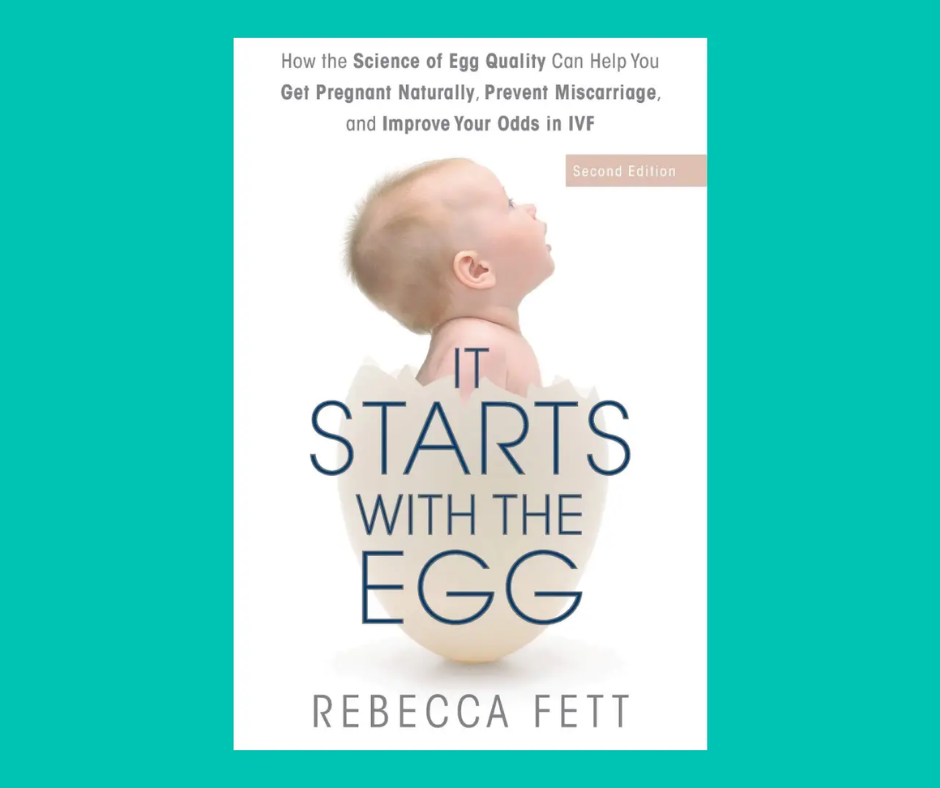
The ladies in my group were so supportive. It felt amazing to finally be seen. Colleen and I also bonded over our infertility. She told me she had a book if I’d like to borrow it. It was titled “It Starts with the Egg” by Rebecca Fett (2019). The book is about how to improve egg and sperm quality to have healthy embryos and eventually healthy babies. Sometimes women’s struggle to get pregnant has to do with egg quality. The mother’s health and lifestyle choices impact not just her overall health, but also the health of her eggs and future children. The same goes for fathers and sperm.
I then went in to see my new OBGYN. I told her about my infertility struggles. I also told her that two years prior, I started having excessively heavy periods. My periods would come every 4 to 6 months, and each time I had one, the bleeding and other symptoms were debilitating. I contemplated going to the emergency room more than once due to the amount of bleeding. The OB ordered some tests and an ultrasound. It was determined that my uterine lining was abnormally thick.
We decided to do a procedure called a D&C, or dilation and curettage procedure. This was an outpatient surgery where the doctor would go in and scrape out the uterine lining. My OB wanted to reset my lining, then we could manage my periods with hormonal medication.
During the procedure, it was discovered that my uterus was filled to the brim with polyps. Everyone was shocked at how many there were. They were even blocking my fallopian tubes. The OB did not see any calcification and indicated she did not suspect cancer or infection. To be safe, the polyps were sent to a lab for analysis. She assured us after the procedure that now our chances of getting pregnant were good.
After my procedure, my discipleship group sent me flowers and a sweet card. They were all so excited for me that everything went well and that we could start working on building our family. Nick and I were so excited too!
A couple of weeks later, I got a call from my OB on her personal cellphone. She gave me the devastating news that I had endometrial cancer. From my understanding, if I still wanted a baby, we had to work quickly to treat the cancer, have a baby, then have a hysterectomy.
My discipleship group went from rejoicing with me to grieving with me. I texted Colleen later. “Hey Colleen, could I borrow your copy of It starts with an egg? I know I won’t have much time to prepare, but I’d like to do what I can for a healthy baby.” She brought the book for me to our next discipleship group meeting. That very night, I started reading.
It is known in medicine that when a baby girl is born, she is born with all of the eggs she is ever going to have. As we start to age, so do our eggs. They slowly die off or become more prone to errors and chromosomal defects. This book explores egg quality and how to improve it. While we can’t stop aging, we can help improve our fertility through avoiding toxins and barriers to fertility, taking the right supplements, making lifestyle changes, and of course, talking with our doctor! “It Starts with the Egg” is broken into 3 sections. Part 1 is “The Science of Egg Quality.” Part 2 is “How to Choose the Right Supplements.” Part 3 is “The Bigger Picture.”
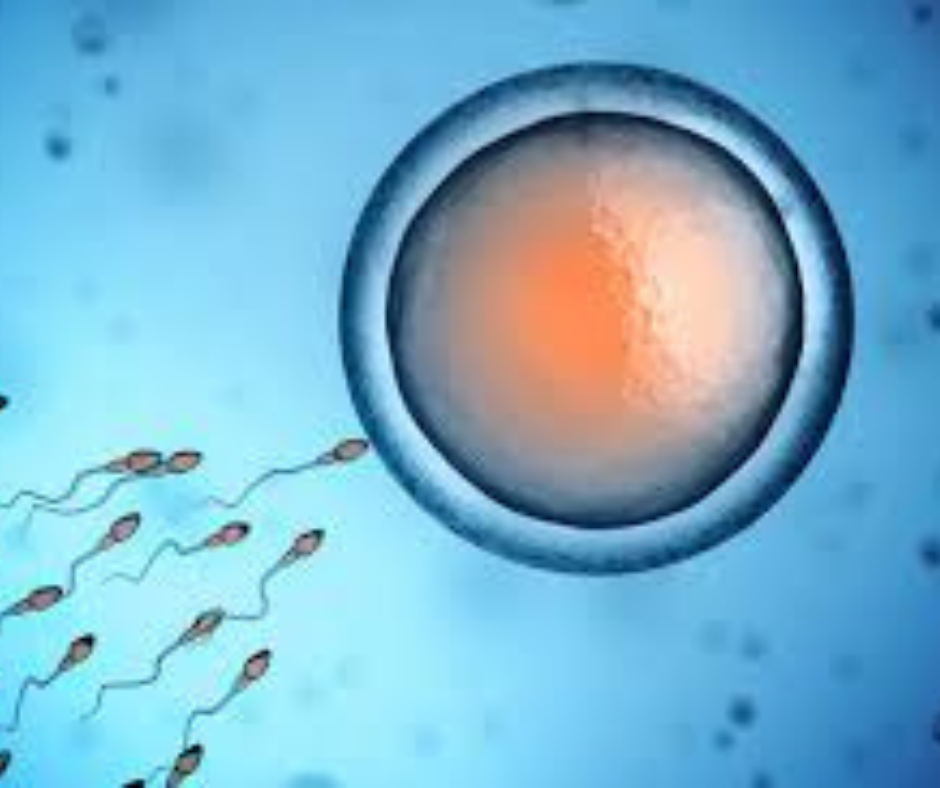
Part 1 explains egg quality and why it is important. Right away, Fett (2019) explains that egg quality is “the potential of an egg to become a viable pregnancy after fertilization” (Fett, 27). A lot of focus in regards to fertility is centered on ovulation. However, Fett argues that not enough attention is given to egg quality. If an egg is not chromosomally correct, it will not turn into an embryo. Only about one third of pregnancies actually become a baby. Fett indicates that most often the pregnancy is terminated before a woman even knows she is pregnant (28)!
Chromosomal abnormalities occur in a process called “meiosis” before ovulation. “Mesiosis involves carefully aligning chromosome copies along the middle of the egg, then pulling one set to each end of the egg with a network of microscopic tubules” (36). The end result of the process should be one set of chromosomes. This process is complex, and susceptible to error. An error in the process could result in an extra chromosome or a missing chromosome.
The next couple of chapters talk about different toxins that affect fertility and cause more chromosomal errors. One of those toxins is BPA. BPA stands for bisphenol A and is found in plastic. We have known for years that BPA is harmful to our health, however, it has long been ignored when it comes to fertility. Studies have shown that BPA interferes with the process of meiosis, leading to more chromosomal abnormalities and miscarriages.
In her first edition published in 2014, Fett talked about the toxicity of BPA. Her goal with her second edition was to reduce fear and obsession over removing BPA from our environment. BPA is really hard to avoid in our world. It is even found in receipt paper! Her aim with this book is to teach people to reduce. As long as BPA levels are lowered, even if they are not completely removed, egg quality can be improved. It is those with high levels of BPA in their system who see an increase in chromosomal abnormalities.
The same goes for phthalates, which are found in plastics, cleaning products, and fragrances. The focus should be on reduction. For Nick and I, we have switched from plastic water bottles to stainless steel water bottles and travel mugs. I started using a glass pourover coffee pot instead of my fancy dual single serving and 12 cup coffee pot that is made almost completely out of plastic. We have replaced our black, plastic kitchen utensils with wood, metal, and silicone. We don’t burn candles in our home anymore, at least not often. We still use smelly cleaning products, but I also use good, old fashioned white vinegar and baking soda from time to time. Simply making some simple switches can help reduce our exposure to toxins that will help increase fertility.
Sometimes, toxins cannot be avoided. As a contracting music therapist, I go into people’s homes to provide music therapy services. I have some clients who like to burn smelly candles and wax melters. Some parents clean with strongly scented cleaners while I am working with their child. Inexpensive fragrance-free shampoos are hard to find (at least I’m having trouble finding some. I’d love suggestions on where to find fragrance-free shampoo!).
Our world is polluted with toxins in the air. Microplastics are in our water. Take-out or fast food containers contain BPA and other toxins. It seems like the world is out to get us. But again, Fett explains, the goal is reduction, not elimination. In a perfect world, eliminating toxins would be ideal. As long as changes are being made, there is no need to panic.
Other factors that affect fertility, but not related to toxins, include vitamin D levels, hypothyroidism, celiac disease, and dental problems! Talking to your doctor, and maybe scheduling a visit with your dentist, may be in order if you suspect any of these conditions apply to you.
Part 2 talks about different supplement options. Every woman is different with different hormonal needs. Some people struggle with PCOS. Other women have endometriosis. Then other women struggle with recurrent miscarriage. I appreciate that this book acknowledges that there is not a supplement that is a “one size fits all” type of treatment.
Based on each person’s needs and goals, Fett provides information on different supplements and whether or not they will be beneficial or harmful. She also gives guidance on when to stop and start taking supplements. Fett states several times in the book that it is important to talk to your doctor before making major health changes.
In the last chapter of Part 2, she gives a list of recommended supplements based on various situations, such as those with PCOS or those having difficulty conceiving. Here is the plan she recommends for someone in my situation- “Intermediate Plan: Polycystic Ovary Syndrome or Irregular Ovulation”
- “Consider taking the following supplements for two or three months before trying to conceive:
- A prenatal containing 800 mcg of natural food folate or methylfolate
- Myo-inositol: 4 g per day, divided into two doses- half in the morning and half at night
- Ubiquinol: 400 mg per day- one 200 mg capsule with breakfast, one with lunch
- R-alpha lipoic acid: 200 mg- preferably at least 30 minutes before a meal
- N-acetylcysteine: 600 mg- any time
- L-carnitine: 3 g per day- any time
- Melatonin: 3 mg- bedtime (in women with PCOS, melatonin appears to be useful even outside the context of IVF)
- Have your vitamin D level tested and consider supplementing with 4000-5000 IU of vitamin D3 per day if you are below the optimal target level (40 ng/ml or 100 nmol/L). If you have a significant deficiency, you can start with 10,000 IU per day for two weeks” (Fett 196-197).
Again, this is her recommendation for those in my situation- those with PCOS or irregular ovulation. If your health needs are different, your regimen will be different as well. As always, talk to a doctor! I am not a medical professional. I am just a girl with PCOS, trying to fight cancer and get pregnant at the same time.
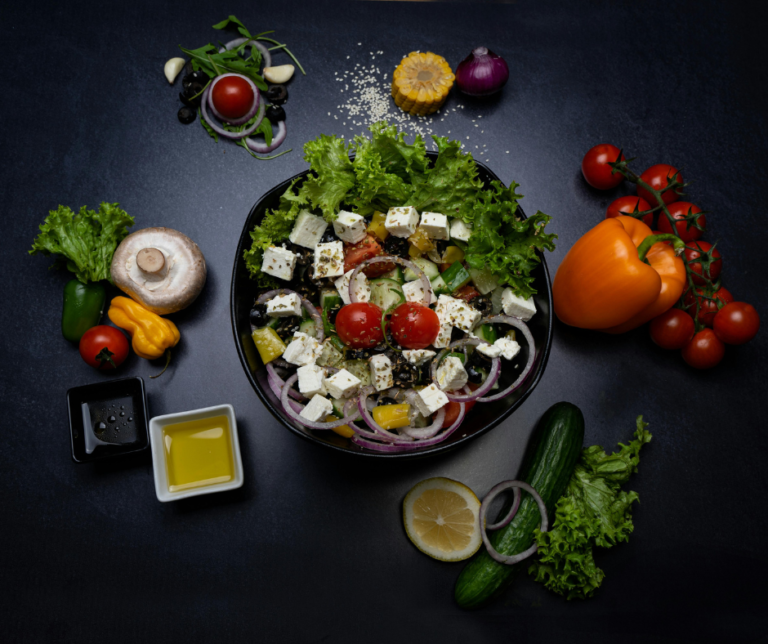
Part 3 looks at “The Bigger Picture,” or simply how taking care of our overall health impacts our fertility and the health and fertility of our children. One of the major lifestyle changes recommended in this section is eating a Mediterranean diet. “This diet, which is based on the traditional eating patterns in Greece, Spain, and Southern Italy, emphasizes fish, olive oil, legumes, and antioxidant-rich vegetables” (217).
Along with adding in these foods, she also discusses the issue of carbs. We are all so afraid of carbs. As women, we are told that carbs are bad, especially in the PCOS community. But carbs are how our bodies get their energy. Energy is required for ovulation to happen. The problem with most people’s diets today is that they are eating fast carbs- fast food, white bread, sugary snacks and cereals. These carbs overload the body too quickly, not allowing the sugar to be processed correctly by insulin. Instead, Fett recommends eating fibrous, slower digested carbs, such as whole wheats, whole grains, quinoa, legumes, lentils, etc.
Alcohol and caffeine are also discussed as something to be reduced. Women who consume more than 4 cups of coffee a day have an increased risk of fertility issues (230-231). Studies have shown that small amounts of alcohol are generally safe and have little to no-effect on fertility. However, Fett indicates that for those of us going through IVF or IUI treatments where egg quality is more important than ever, alcohol may need to be reduced or avoided even further to have better eggs and a successful trial (228).
This book is geared towards women and improving egg quality. However, I appreciate that the last chapter of this book takes the time to address the other side of the coin- sperm. It takes two to tango. It takes an egg AND a sperm to make a baby. Sperm health and the father’s health is just as important as the mother. According to Fett, “male infertility contributes to nearly 50 percent of all cases in which a couple has difficulty conceiving” (236). After finishing the last chapter, I had to have a talk with Nick about his Dr. Pepper consumption… Things like eating a healthy diet, exercising, avoiding environmental toxins, and keeping the testicles cool are important for dad and sperm health.
After reading this book, I feel good about some of the changes Nick and I are already making, such as switching to a Mediterranean diet and removing toxins from our home. It also gives me a lot to think about. As Nick and I start our fertility treatment journey, I will have lots of questions to ask my doctor, such as which supplements I should be taking and what other changes I should be making.
I would recommend this book for anyone wanting to be a mom and struggling to do so. Fett explains scientific processes in a way that are understandable for the reader. She backs up what she says by numerous research studies. We are taught that as we age as women that our egg quality will decrease. There is nothing we can do about it. However, this book offers a ray of hope and a way to slow down and preserve egg quality and fertility.
Thank you again, Colleen, for giving me the courage to open up about my own struggles. Thank you for supporting me. Know that I have your back as well, and I am praying for your future family! And thank you for letting me borrow your book! I was expecting to have a baby naturally and take things slow, but cancer had other plans. This book has been a huge help and comfort during this scary and uncertain time.
Now that I have read up on improving my egg quality and have begun to make changes, Nick and I are preparing for fertility treatment. I’d like to invite you to join in on our journey alongside Nick and I. In most states, insurance companies are not required to cover fertility treatment. Our next part of our journey will have to be paid for out of pocket! A round of IVF for example can cost $15,000 to $20,000! Thankfully, my sweet sister-in-law started a GoFundMe campaign for us to help with medical bills and fertility treatments. Follow me on social media and check out future blog posts as I share my story. Breast cancer seems to get all the attention in the media. But not all cancer is pink! My aim is to share my story and bring awareness beyond the pink ribbon.

Works Cited
Fett, Rebecca. It Starts with the Egg: How the Science of Egg Quality Can Help You Get Pregnant Naturally, Prevent Miscarriage, and Improve Your Odds in IVF. 2nd Ed, Franklin Fox Publishing, 2019. https://www.itstartswiththeegg.com